

Branding and Marketing


- 10 Feb, 2026
- 43 Views
- 0 Comment
In today’s competitive business landscape, understanding the difference between branding and marketing is crucial for building a strong market presence. Although the terms are often used interchangeably, they serve distinct roles and functions in growing a business. This guide breaks down what branding and marketing are, how they differ, and why aligning both is essential for long-term success.
What Is Branding?
At its core, branding is about identity. It defines who you are as a business. Your values, mission, personality, and the emotional response you want to evoke in your audience. Branding goes beyond a logo or tagline; it’s the cumulative perception people form when they think about your company.
Key Elements of Branding
- Brand Identity: Visual and verbal elements like logos, colors, and tone of voice
- Brand Promise: What your customers can consistently expect from your products or services
- Brand Values: The principles that guide business decisions and behavior
- Brand Experience: Every interaction a customer has with your company
Branding focuses on building a long-lasting emotional connection with your audience, creating loyalty and trust over time. Effective branding makes your business recognizable and memorable, even when consumers aren’t consciously thinking about it.
What Is Marketing?
By contrast, marketing is the set of strategies and tactics used to communicate your brand and offerings to your target audience. It’s about promoting products or services to generate interest, engagement, and sales. Marketing includes activities like digital marketing, email campaigns, social media, SEO, and content creation.
Key Functions of Marketing
- Awareness Building: Ensuring potential customers know your brand and offers
- Lead Generation: Attracting prospects who may convert into customers
- Customer Engagement: Creating touchpoints that interact with your audience
- Sales Promotion: Driving conversions through campaigns and messaging
Marketing is dynamic and adaptable, evolving with trends, consumer behavior, and technological advancements. It’s measurable and often focused on both short-term results and long-term goals.
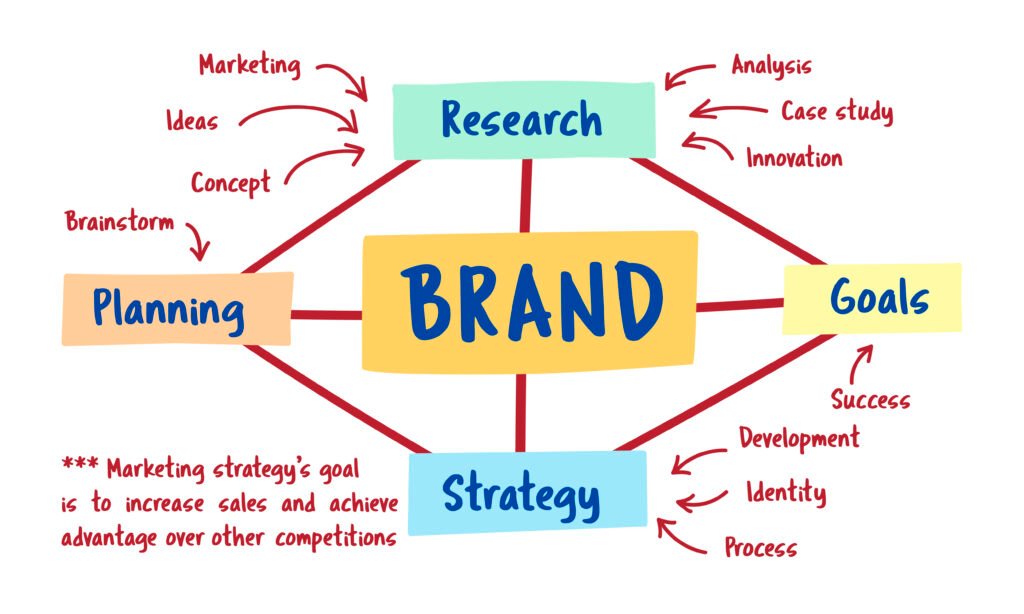
Branding vs Marketing — Key Differences
Though branding and marketing work toward similar business goals, their roles differ significantly:
- Purpose
- Branding: Defines identity and shapes perception
- Marketing: Communicates that identity to achieve specific objectives like sales or engagement
- Scope
- Branding: Long-term and consistent
- Marketing: Campaign-based and adaptable
- Focus
- Branding: Emotional connection and trust
- Marketing: Awareness, lead generation, and measurable results
- Outcome
- Branding: Loyalty, recognition, and reputation
- Marketing: Traffic, conversions, and revenue
An easy way to remember this is: branding is who you are, and marketing is how you tell the world about it.
Which Comes First Branding or Marketing?
Branding should always come first. Before you invest in marketing campaigns, it’s critical to clearly define your brand identity. This foundation ensures that all your marketing efforts are consistent, coherent, and aligned with your core values and message. When your brand is well-defined, your marketing can be more effective and impactful.
How Branding and Marketing Work Together
Although branding and marketing are different, they’re deeply interconnected and mutually reinforcing. Here’s how they complement each other:
1. Consistency and Clarity
Branding provides a consistent message that guides all marketing efforts. This clarity ensures that every campaign aligns with what your brand stands for, strengthening recognition among your audience.
2. Building Trust and Loyalty
Strong branding fosters trust and emotional attachment. When customers feel connected to a brand, they’re more receptive to marketing messages, increasing the chances of conversion and repeat business.
3. Differentiation and Competitive Advantage
Branding helps you stand out in a crowded market. Effective marketing then communicates this unique value proposition to your audience, highlighting what makes your brand different from the competition.
4. Emotional Engagement
Branding taps into emotions, and marketing leverages this emotional connection to drive engagement. Storytelling in marketing can deepen brand meaning and resonate more deeply with audiences when backed by strong branding.
Conclusion
In summary, branding and marketing are two sides of the same coin. Branding defines who you are and builds trust, while marketing promotes your brand and drives action. When aligned strategically, they form a powerful synergy that not only attracts customers but also nurtures lasting relationships and fosters long-term growth.
By understanding the difference and connection between these two concepts, businesses can create more effective strategies that elevate their presence and performance in the market.



DROP US A LINE
Connect with Braplo
Ready to take the first step towards unlocking opportunities, realizing goals, and embracing innovation? We're here and eager to connect.

To More Inquiry
+91 9319866880

To Send Mail