Business Process Automation for SMEs: A Complete Guide


Branding and Marketing

- 24 Mar, 2026
- 21 Views
- 0 Comment
Search engine optimization (SEO) is no longer just about ranking higher on Google, it’s about driving measurable results. But how do you know if your SEO efforts are actually working?
The answer lies in tracking the right metrics.
SEO metrics, also known as key performance indicators (KPIs), help you measure performance, identify gaps, and optimize your strategy effectively. By focusing on the most important data points, website owners can make smarter decisions and achieve long-term growth.
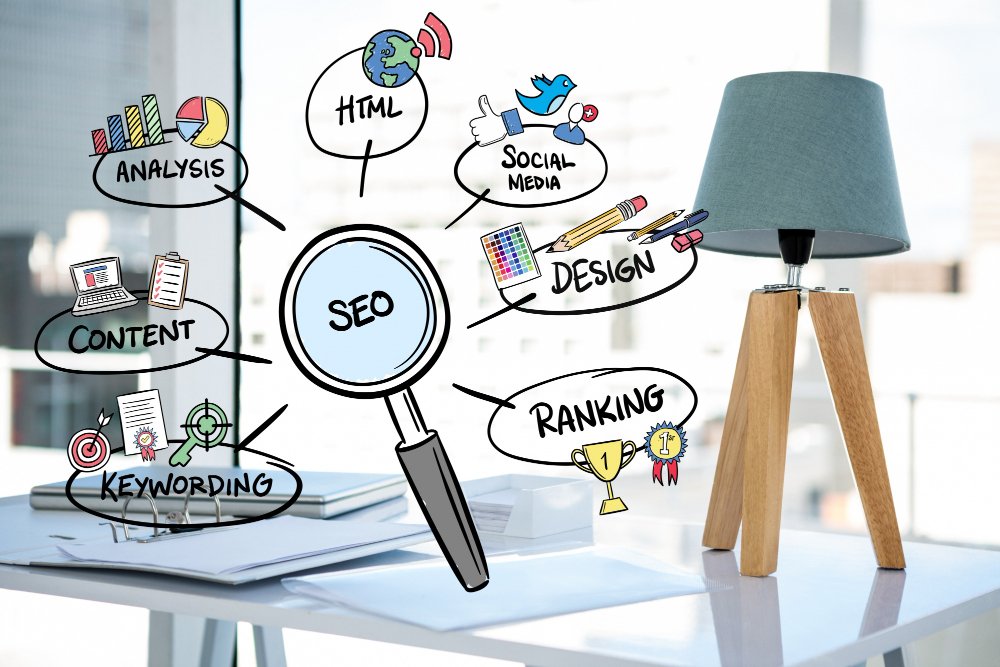
In this blog, we’ll explore the top 6 must-know SEO metrics every website owner should track to measure success.
1. Organic Traffic
Organic traffic refers to the number of visitors who land on your website through unpaid search results. It is one of the most fundamental indicators of SEO success.
Why It Matters
If your organic traffic is increasing, it means your website is becoming more visible in search engines. This is a clear sign that your SEO strategy is working.
How to Track
- Google Analytics (GA4)
- Google Search Console
Pro Tip
Don’t just track total traffic analyze which pages and keywords are driving the most visitors.
2. Keyword Rankings
Keyword rankings show where your website appears in search engine results pages (SERPs) for specific search terms.
Why It Matters
Higher rankings mean more visibility and increased chances of clicks. Ranking on the first page can significantly boost traffic.
What to Monitor
- Position changes over time
- High-intent keywords
- Competitor rankings
Pro Tip
Focus on keywords that align with user intent, not just high search volume.
3. Organic Click-Through Rate (CTR)
CTR measures the percentage of users who click on your website link after seeing it in search results.
Why It Matters
A higher CTR indicates that your title tags and meta descriptions are compelling and relevant.
According to SEO experts, CTR helps evaluate how effectively your content attracts clicks from search results.
How to Improve CTR
- Write engaging meta titles
- Use power words and numbers
- Match search intent
4. Domain Authority
Domain Authority (DA) is a metric that predicts how likely your website is to rank in search engines based on backlinks and overall credibility.
Why It Matters
Websites with higher authority tend to rank better and gain more trust from search engines.
How to Improve
- Build high-quality backlinks
- Publish authoritative content
- Improve internal linking
Pro Tip
Focus on quality over quantity when building backlinks.
5. Page Speed & Core Web Vitals
Page speed refers to how quickly your website loads, while Core Web Vitals measure user experience factors like loading performance and interactivity.
Why It Matters
Search engines prioritize fast-loading websites because they provide better user experiences. Slow websites often lead to higher bounce rates.
Key Metrics
- Largest Contentful Paint (LCP)
- First Input Delay (FID)
- Cumulative Layout Shift (CLS)
Pro Tip
Optimize images, enable caching, and use a reliable hosting provider.
6. Organic Conversion Rate (CVR)
Organic conversion rate measures how many visitors from organic search complete a desired action such as making a purchase or filling out a form.
Why It Matters
Traffic alone doesn’t guarantee success. Conversions show whether your SEO efforts are driving real business results.
Organic conversions directly connect SEO performance to business outcomes, making them one of the most critical KPIs.
How to Improve
- Use strong CTAs
- Optimize landing pages
- Improve user experience
Pro Tip
Track conversions separately for different pages to identify high-performing content.
Why Tracking SEO Metrics Is Important
Tracking SEO metrics is essential because it allows you to:
- Measure the effectiveness of your SEO strategy
- Identify areas for improvement
- Make data-driven decisions
- Demonstrate ROI
SEO is a long-term process, and without proper tracking, it’s impossible to know what’s working and what’s not.
Common Mistake: Focusing on One Metric
Many website owners make the mistake of focusing only on traffic. However, SEO success is a combination of multiple metrics.
For example:
- High traffic + low conversion = poor targeting
- High rankings + low CTR = weak meta tags
A balanced approach ensures sustainable growth.
Final Thoughts
SEO success isn’t about guesswork, it’s about data.
By consistently tracking these top 6 SEO metrics organic traffic, keyword rankings, CTR, domain authority, page speed, and conversion rate you gain a complete picture of your website’s performance.
These metrics not only help you understand where you stand but also guide you toward smarter optimization strategies.


DROP US A LINE
Connect with Braplo
Ready to take the first step towards unlocking opportunities, realizing goals, and embracing innovation? We're here and eager to connect.

To More Inquiry
+91 9319866880

To Send Mail